
It’d been a peaceful day. Our friends were walking their beloved pug, Sandy, in the golden light of afternoon. She sniffed along, content. Until. She shrieked, hobbled a few steps—and collapsed.
Horrified, our friends knelt and checked Sandy’s paws. No apparent thorns or stingers. By this time Sandy was dazed and vomiting. Our friends rushed her to the ED. Their worst fears were confirmed: Sandy had lapsed into anaphylactic shock.
Our friends hung on tenterhooks over the next few days, unsure whether Sandy would survive and what would remain of her, if she did. A nasogastric tube was placed and secured to both extract toxins and supplement nutrition. Doctors told our friends that Sandy’s survival was an even bet.
Fast forward to a Zoom call showing Sandy nestled between our friends, a snorting, face-lapping tater tot. Sandy was the benefactor of our friends’ lightning response and the veterinary team’s expert care.
Immediate intervention for anaphylaxis in humans is widely available. EpiPens ease allergic reactions and buy time between symptom onset and medical attention. Dogs don’t have the luxury of self-administration. They are completely dependent upon us.
Moreover, anaphylaxis primarily attacks different organs in dogs than it does in humans: in humans, it’s the respiratory system; in dogs it’s the GI tract and liver. Sudden symptoms include vomiting, severe (sometimes bloody) diarrhea, weakness, collapse, labored breathing, and pale or blue gums. Excessive drooling, skin eruptions, and swelling of the face, muzzle, or eyes can also occur.
While Sandy’s treating vets never found a stinger, she was likely stung by a bee, wasp, or fire ant. Insects, however, are but one trigger. Certain medications (antibiotics, NSAIDs, or vaccinations), food proteins, pesticides, and household cleaners are other likely culprits. Identifying and avoiding triggers will require some sleuthing and changes in product purchases.
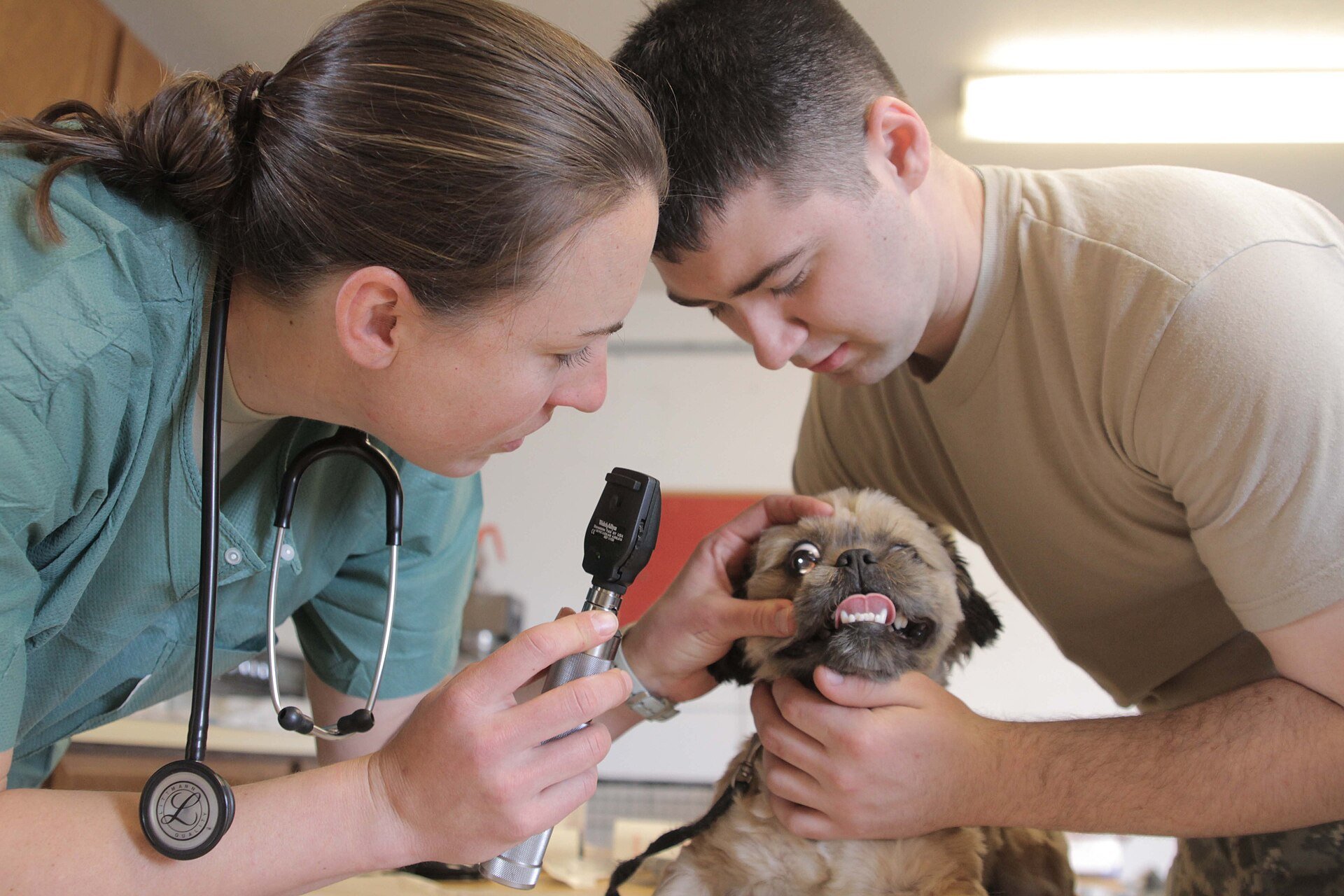
Whatever the cause, swift action must follow the development of symptoms. Call ahead to a veterinary ED to announce your arrival. Avoid home remedies. Over-the-counter antihistamines, for example, are ineffective against anaphylactic shock in dogs. Treatment in the ED may include IV fluids, steroids, pain and anti-nausea medications, and bronchodilators to open up the airway. In extreme cases, CPR, intubation, and/or blood transfusions may be needed. Hospital stays vary in length depending on severity. Poor Sandy spent three nights away from her humans, who were beside themselves for most of that time.
Given a rapid response, the mortality rate for canine anaphylaxis is extremely low at 0.5%. If treatment is delayed or reactions are severe, the mortality rate rises to 15%. Hospital stays can range from one to three days, though most cases are discharged the same day. Mild lethargy and/or stomach upset can linger for several days. Care after discharge involves checking vital signs (respiratory rate, gum color), monitoring gait and GI symptoms (offering a bland diet), and ensuring medication compliance, even if everything appears normal.
Because Sandy’s parents were quick to respond, their snorting four-legged could play in the grass—away from low-growing flowers and the insects drawn to them.